Resources

Beekeeping is an ever-evolving craft, and whether you’re just starting out or have years of experience, there’s always more to learn. This section provides essential information, best practices, and connections to organizations that support beekeepers in NYC and beyond.

New to beekeeping? Our beginner’s guide covers everything you need to know before getting your first hive. Learn about equipment, seasonal hive management, and NYC-specific regulations.


🔗 Read the Beginner’s Guide

Best Practices for Urban Beekeeping

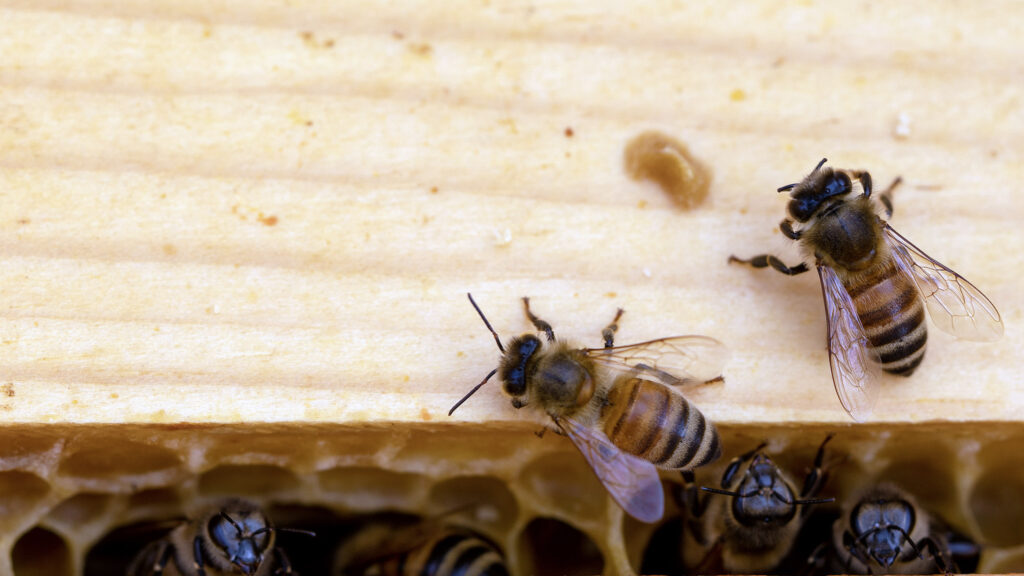
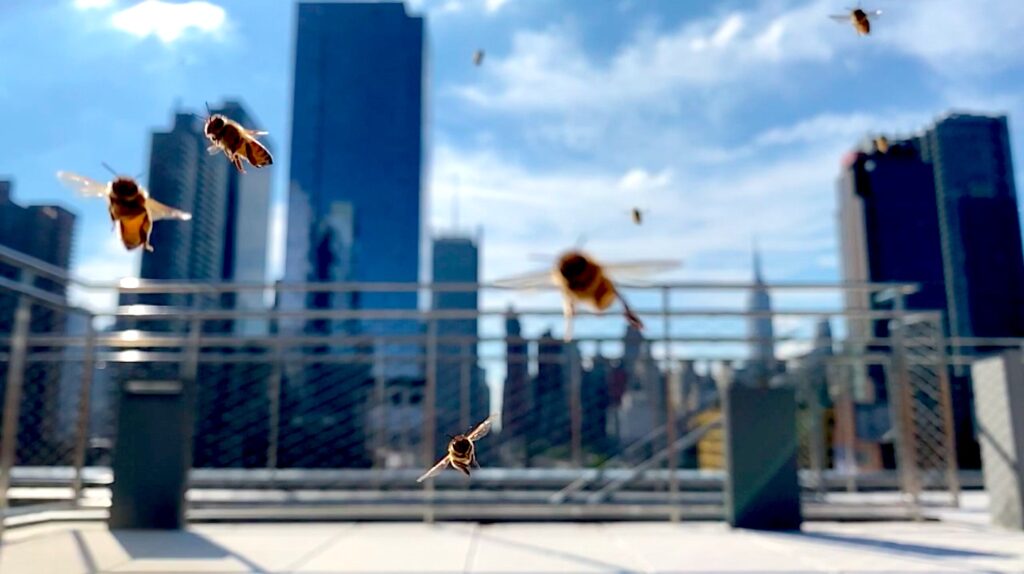
Urban beekeeping comes with unique challenges and responsibilities. Learn about hive placement, managing swarms in the city, and how to keep your bees healthy in an urban environment.
🔗 Read Urban Beekeeping Best Practices

Looking for more in-depth resources? We’ve compiled a list of must-read books, articles, and videos for beekeepers of all experience levels.

🔗 View Our Recommended Resources

FAQs

Expect to spend approximately 1-2 hours every 2 weeks, per hive, with more time needed during the active season (spring and summer).

Initial costs are about $500 to start a hive and get your safety gear. Add $300-400 for each additional hive you plan to start.

The short answer is ‘No’, but you do have to notify the city about the location and number of hives you are keeping in a free Letter of Notice form and follow a few guidelines. This form and guidelines can be accessed online. More info here.

Additionally, you do have to register your hives with New York State. This is also a free registration and helps protect your hives from catasrophic diseases like American Foulbrood.

Hives should be placed in a way that does not create a nuisance in order to follow NYC’s guidelines. NYC guidelines are outlined on the same page where you submit your registration. See our “Getting Started with Beekeeping” blog post for a link to the NYC website.

The top threats are varroa mites, pesticides, poor nutrition, and bad beekeeping.

While other threats exist, these cause the most casualties.

Regular inspections, providing enough space in the hive, and proper seasonal management can help prevent swarming.

Login

Username

Password


Not a member? Join Here