As autumn turns into winter, urban beekeepers in New York often wonder how best to protect their hives through the colder months. Winterizing your hive properly is critical to ensuring your bees not only survive but thrive when spring returns. If you’re new to beekeeping or managing bees in an urban environment, you might be asking, “How can I make sure my bees survive the harsh NYC winter?” Let’s tackle this important question together.
Why Winterization Matters for Urban Hives
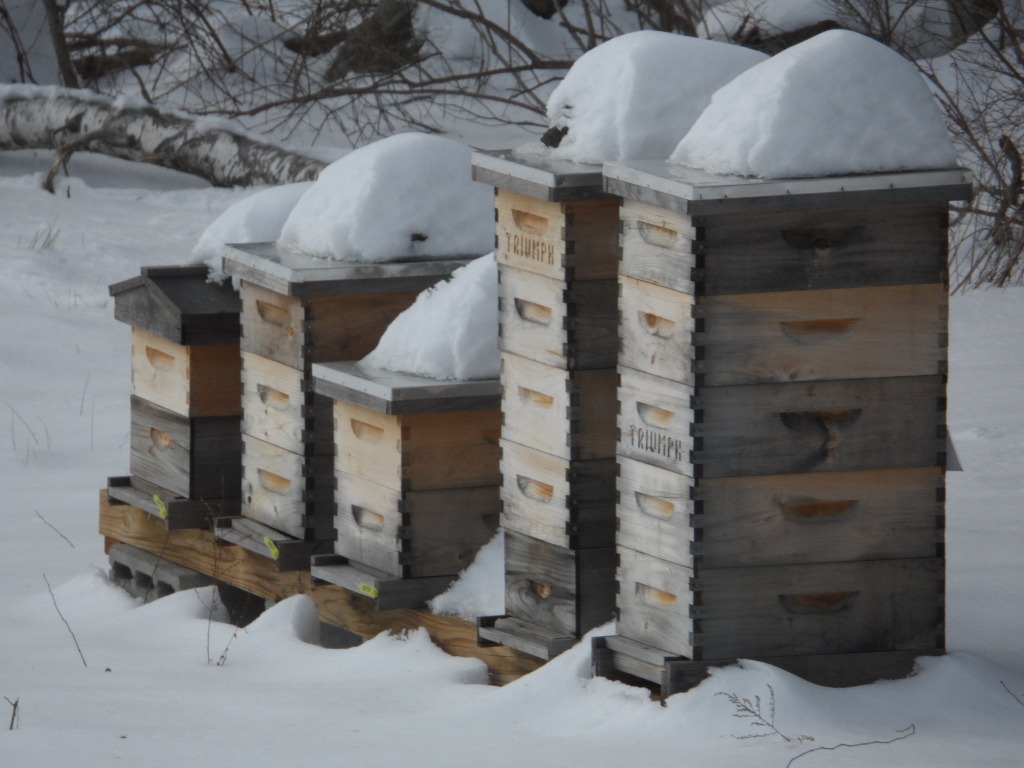
In New York City, winters can be unpredictable and harsh. Strong winds, sudden cold snaps, and heavy snow are just some of the elements your bees will face. Because bees cluster together in winter to maintain warmth, a poorly prepared hive can result in colony loss. Taking proactive steps to winterize your hives ensures your bees remain healthy and ready to pollinate once temperatures rise again.
Assessing Hive Health Before Winter
The first step in winterizing your hive is assessing the colony’s overall health. This begins in the summer with regular mite counts and treatments as mite thresholds are crossed.
Look for signs of a strong queen, healthy brood patterns, and adequate honey reserves. Bees need enough stored honey to sustain them throughout winter, roughly 60-80 pounds per hive in New York’s colder climate. If your colony appears weak or has insufficient stores, you’ll need to intervene immediately.
Feeding Bees Before Winter
If your hive lacks adequate honey reserves, it’s essential to feed your bees in the fall. A sugar syrup (2 parts sugar to 1 part water by weight) is ideal, as bees convert this into stored energy quickly. Feed consistently until your hive meets the recommended weight. Remember, once temperatures consistently drop below 50°F, bees stop taking syrup, so it’s critical to begin this process early enough. September – October is an ideal time to pack some extra weight on the hives.
Wrapping Your Hive for Consistent Conditions, not Warmth
New York winters can be particularly challenging due to urban wind tunnels and rapid temperature fluctuations. Wrapping your hive with roofing felt paper or foam insulation helps bees maintain stable cluster temperatures. Remember that the air temperature inside the hive is the same as outside the hive, but a wrapping material keeps out drafts and maintains a more consistent condition inside the hive. The bees will only be warming the cluster, and they can be more efficient with it when they aren’t fighting against drafts and wildly fluctuating temps. Foam board insulation or specially designed hive wraps can effectively shield your bees from extreme cold and wind.
Ensure adequate ventilation to prevent moisture buildup inside the hive, which can be harmful. An upper entrance or vent hole provides sufficient airflow and allows bees to regulate humidity and temperature within the hive.
Managing Moisture Inside the Hive
One of the biggest threats to hive survival in winter isn’t just cold temperatures, but moisture accumulation. Condensation from bee respiration and external weather conditions can rain back down on bees and chill them to death. Cold bees can survive, but wet bees are dead bees.
To combat this, install moisture-absorbing materials like quilt boxes filled with wood shavings or other absorbent materials. These boxes sit above your hive frames and below the hive cover, effectively drawing moisture away from the cluster.
Protecting the Hive from Wind and Weather
In urban settings, hives positioned on rooftops or balconies are especially vulnerable to strong winds. Consider placing windbreaks around your hives, like plywood panels or strategically positioned screens, to minimize exposure.
Additionally, strap down the hive covers to ensure they stay secure during storms or strong gusts of wind common in NYC winters. A loose outer cover that’s blown off a roof can kill an unlucky pedestrian on the sidewalk below.
Regular Winter Checks: Less is More
It can be tempting to frequently check on your bees during winter, but opening your hive too often risks exposing your bees to cold temperatures and disrupting their cluster. Instead, rely on external observations.
On milder winter days (above 40°F), watch your hive entrance for activity, check the hive weight by gently lifting from behind, and listen closely for a soft hum, indicating healthy bees inside. You can pop open the outer cover to visually check the position of the colony, but avoid pulling frames. Keep hive checks brief and avoid disturbing the bees unnecessarily.
Pests and Diseases: Vigilance is Key
Even in winter, urban beekeepers should remain vigilant against pests and diseases. Varroa mites are particularly harmful, weakening colonies just when they need to be strongest. Perform mite checks and treat as needed in late summer or early fall to give your bees the best chance for winter survival. If on the ground or in buildings with a history of rodent activity, consider adding a mouse guard to the entrance of your hives.
Bee-Friendly Winter Plantings
Although most forage disappears in winter, certain plants bloom late into fall or early spring, providing critical pollen and nectar sources. Consider planting hardy, urban-friendly varieties like asters, goldenrod, and crocus. Even small balcony or rooftop gardens help bees build strong winter stores and support early spring activity.
The Importance of Community
Urban beekeeping is easier, and far more enjoyable, when you’re connected with fellow beekeepers. At the New York Bee Club, we regularly share tips, provide hands-on workshops, and offer community support to help urban beekeepers successfully navigate winter preparations. By joining the club, you’ll gain access to experienced beekeepers who can help you address specific challenges and enhance your knowledge about winterizing your hive and beyond.
Getting Ready for Spring: Staying Optimistic
Winterizing your urban hive takes careful preparation and regular observation, but the reward comes when your bees buzz out eagerly with the first warm days of spring. Remember, proactive winter care directly translates into healthier bees and better honey harvests next season.
As you navigate winter beekeeping, consider joining us at the New York Bee Club. You’ll find a community eager to support you every step of the way. Explore other helpful articles on our site, attend one of our informative events, or become a club member to take your urban beekeeping to the next level.
Happy beekeeping, and stay warm this winter!