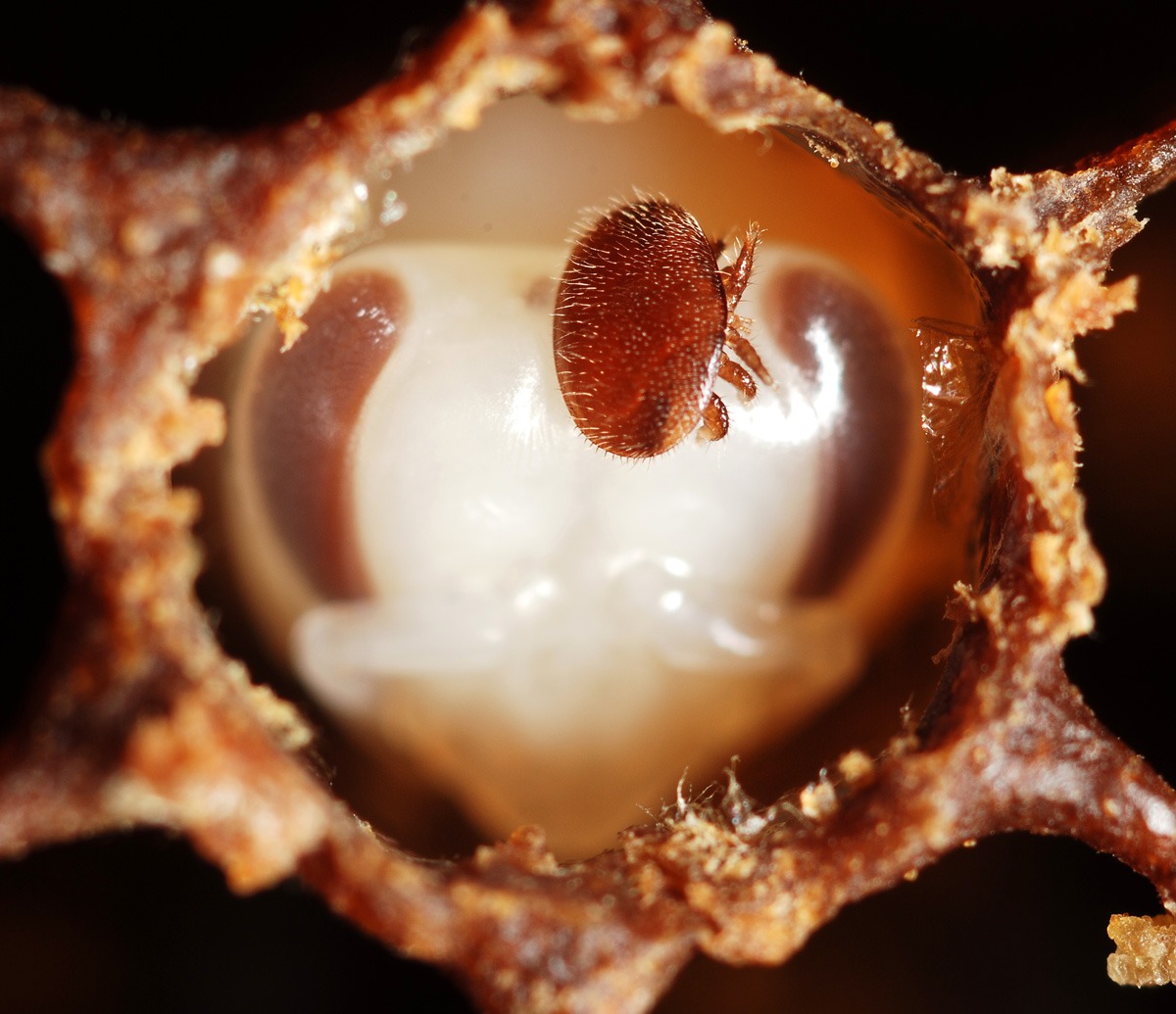
Varroa mites, tiny parasites that attach themselves to honey bees, pose a significant threat to bee colonies everywhere, especially in urban environments like New York City. Managing varroa mites effectively is crucial to maintaining healthy bee populations and productive hives. Yet, many new urban beekeepers wonder, “Are varroa mites really such a big deal?” The short answer: absolutely.
Without proactive management, these parasites can quickly overwhelm and destroy entire colonies. This blog will guide you through understanding varroa mites and practical ways to manage them.
Understanding Varroa Mites
Varroa mites (Varroa destructor) are reddish-brown parasites about the size of a pinhead. They feed primarily on the fat bodies of adult bees and larvae, weakening individual bees and making them vulnerable to viruses and diseases. These mites reproduce quickly, particularly during the brood-rearing seasons, making them an ever-present threat.
In New York’s dense urban landscape, close proximity between hives can accelerate the spread of mites from one colony to another, making vigilant management essential.
Identifying Varroa Mite Infestations
Regular hive inspections are critical in identifying early signs of a varroa infestation. Here’s what to look for:
- Physical Presence: Look for mites attached to bees or in drone brood cells. If you see any mites on the bees’ backs, your infestation may be very high.
- Deformed Wings or Greasy Appearance: Bees affected by varroa mites often have visibly damaged or deformed wings. Some viruses transmitted by the mites can cause the bees to lose their hair and have a shiney, greasy appearance.
- Spotty Brood Pattern & Pinholes in Capped Brood: An irregular, spotty brood pattern can indicate mite stress. You may also see partially open cells with half-pupated bees. These pinholes in existing cappings can be a sign that the bees detected mite activity in the cell and opened the cell.
Conduct a regular mite count every month, particularly from late spring through autumn. A quick and easy way to do this is with an alcohol wash, where a sample of nurse bees are collected, shaken in a jar with alcohol, and mites are counted after they fall off the bees.
Effective Varroa Mite Management Strategies
Integrated Pest Management (IPM)
IPM combines multiple methods to control mite populations sustainably:
- Monitoring: Keep accurate records of mite counts throughout the season.
- Mechanical Controls: Use drone comb removal, screened bottom boards, or brood breaks to limit mite reproduction.
- Biological Controls: Encourage hygienic behavior in colonies, where bees naturally remove infested brood.
Chemical Treatments
When mite counts reach critical levels (generally 3 mites per 100 bees), chemical intervention may be necessary. Approved treatments include:
- Oxalic Acid: Especially effective during broodless periods in late fall or early winter.
- Formic Acid: Can penetrate capped brood, making it ideal for summer use. Follow guidelines carefully to avoid harming bees.
- Thymol-based Treatments: Natural compounds that can control mites effectively when temperatures are moderate.
Always follow application instructions meticulously to ensure safety and effectiveness. For more treatment options and a ton of helpful information, check out the Honey Bee Health Coalition.
Seasonal Considerations in New York
New York’s distinct seasonal shifts significantly influence mite management:
- Spring: Begin mite monitoring early. This is when colonies expand, and mite populations can rise rapidly. For overwintered hives, you may be able to start as early as April. For new and existing hives, you can start performing mite counts in May.
- Summer: Continue monthly monitoring and treat promptly when thresholds reach 2 mites per 100 bees.
- Autumn: Aim for low mite levels going into winter, typically applying a final treatment before temperatures drop below 50°F. Treat if counting 3 mites per 100 bees.
- Winter: Conduct oxalic acid treatments during broodless periods to effectively reduce overwintering mites. Hives may never be completely broodless, but treating with oxalic acid vapor in late December or January is the most effective time.
Educational Support and Community Resources
One of the best ways to stay on top of mite management and other beekeeping challenges is through community support and shared knowledge. Joining the New York Bee Club offers numerous benefits:
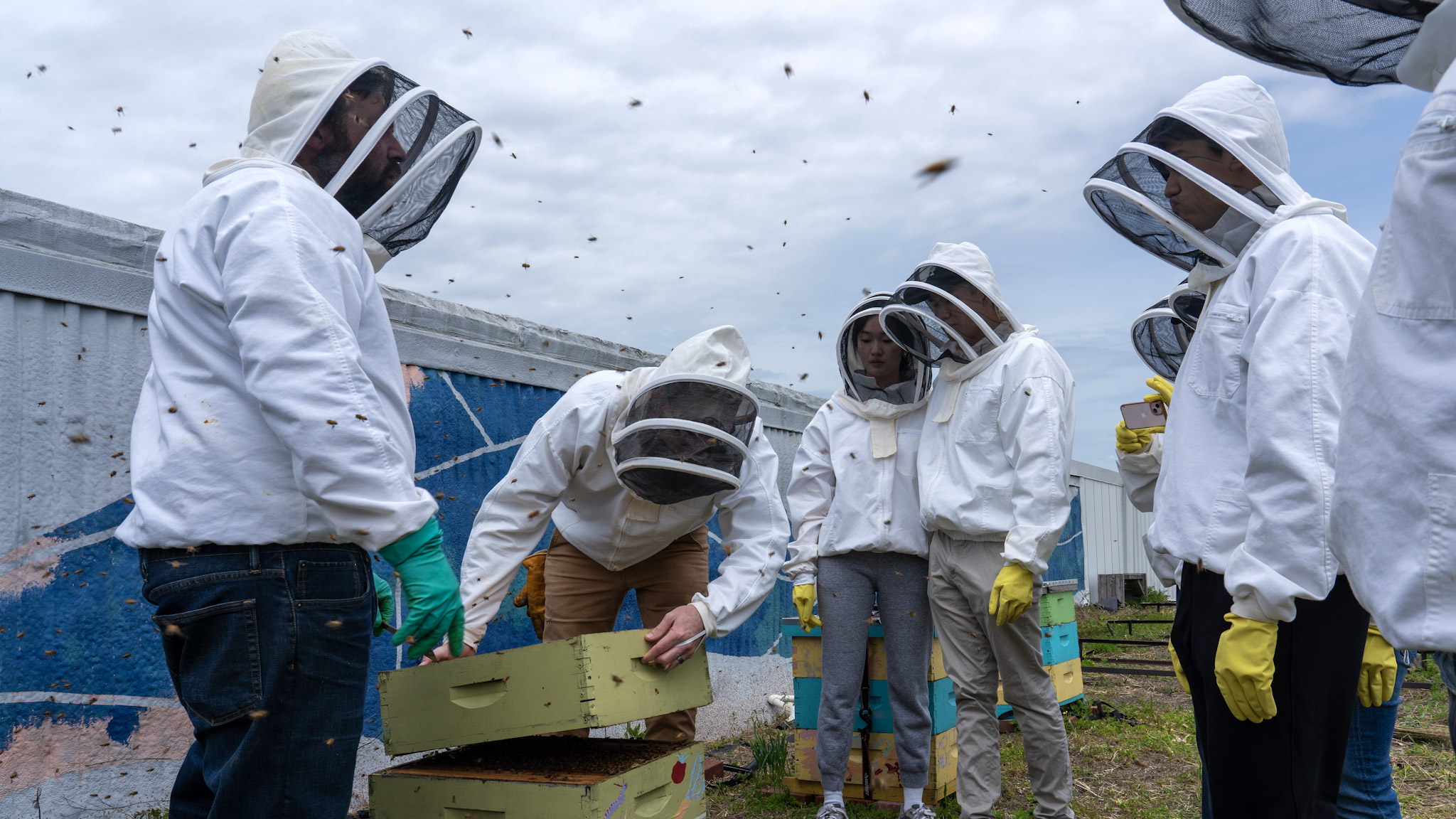
- Workshops and Demonstrations: Learn hands-on mite management techniques from experienced beekeepers.
- Expert Advice: Gain access to a community of seasoned urban beekeepers who can provide immediate answers to your questions.
- Regular Updates: Stay informed on the latest mite management practices, research, and urban beekeeping trends through club meetings and newsletters.
Becoming part of the New York Bee Club means you’re not alone. The club provides a supportive environment where you can discuss common challenges like varroa mite management and find reliable, practical solutions tailored specifically to New York City’s unique urban environment.
Keeping Bees Healthy Year-Round
Successful urban beekeeping involves proactive, ongoing management of varroa mites. Regular inspections, effective treatments, and community support all contribute to thriving colonies and abundant honey harvests. Being vigilant and informed significantly reduces the risks associated with these persistent parasites.
As urban beekeepers in New York, we have the opportunity, and responsibility, to support pollinator health and protect our bee populations. The better we manage varroa mites, the stronger our colonies and local ecosystems become.
To further enhance your urban beekeeping journey, explore additional articles on our site, attend one of our upcoming events, or consider joining the New York Bee Club. We welcome new members who are eager to learn, share, and contribute to our vibrant community of urban beekeepers.