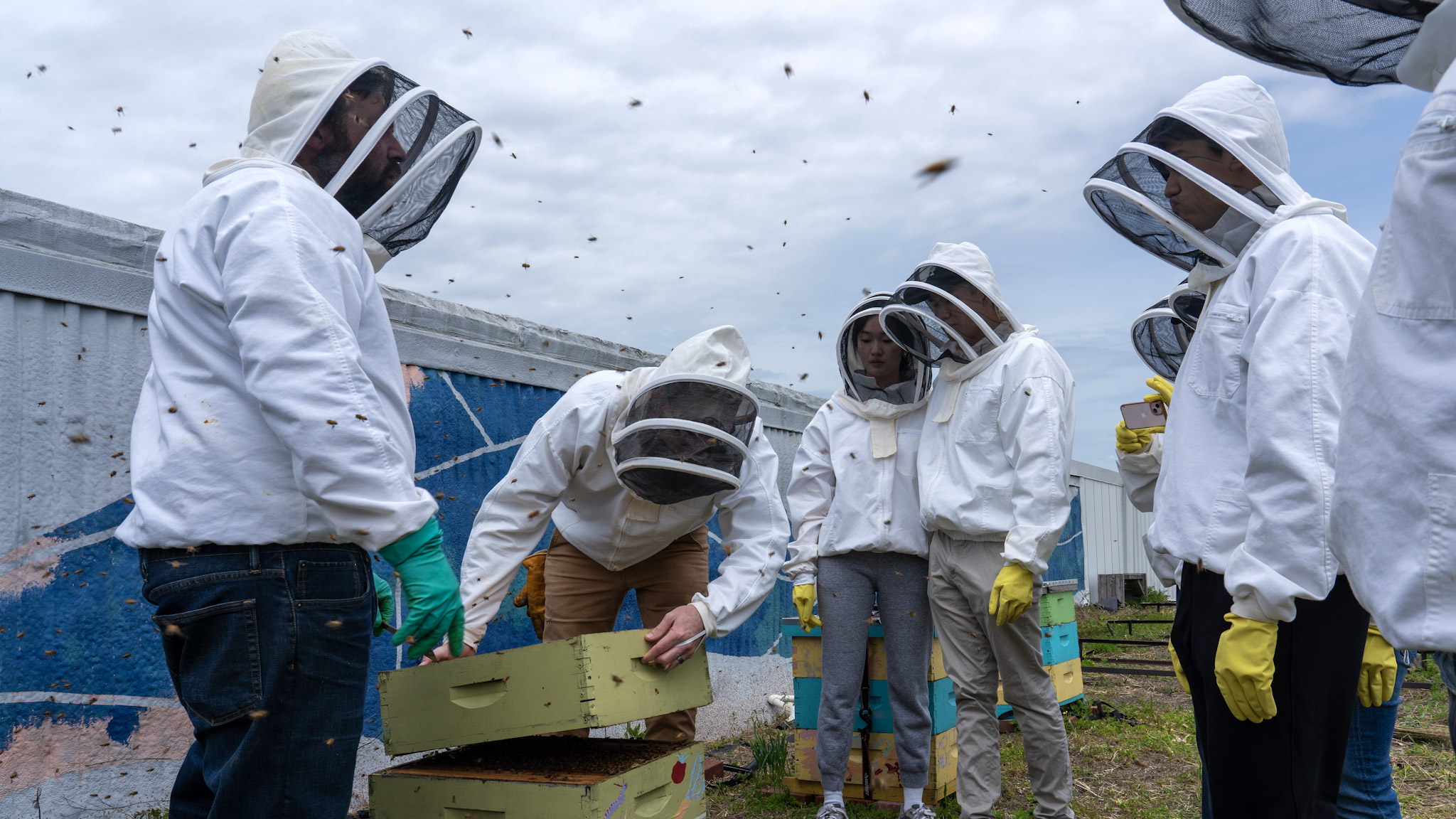
Starting your journey as an urban beekeeper in a city like New York is an exciting, rewarding experience. You’re not only joining an active community of fellow beekeepers but also making a significant contribution to local pollinator health and biodiversity. But it’s normal to feel a little overwhelmed or unsure about what exactly to expect in your first year. How much time will beekeeping take? Will the neighbors mind? What are the biggest challenges?
Let’s explore these questions and more, giving you a clear picture of what your first year as an urban beekeeper might look like.
Setting Up Your Hive
The very first step is to find the right location for your hive. In urban settings, rooftops and community gardens are popular options. Ensure your hive is placed away from heavy foot traffic to reduce the risk of disturbing passersby and minimize potential issues with neighbors.
Your hive should ideally face southeast to get morning sunlight, helping the bees start their day early. Also, always provide a constant and adequate water source nearby. Bees need water to cool the hive and dilute honey, and it’s an NYC rule to provide water. A simple birdbath or shallow dish filled with stones for bees to land on will do.
Installing Your Bees
Usually, bees arrive in either a package or a nucleus colony (“nuc”). Packages are a box of about 3lbs of bees and a queen in a separate queen cage, whereas nucs include a small colony already established on frames, usually about 5 frames. For beginners, nucs are often easier to handle because the bees have already accepted the queen and begun building comb.
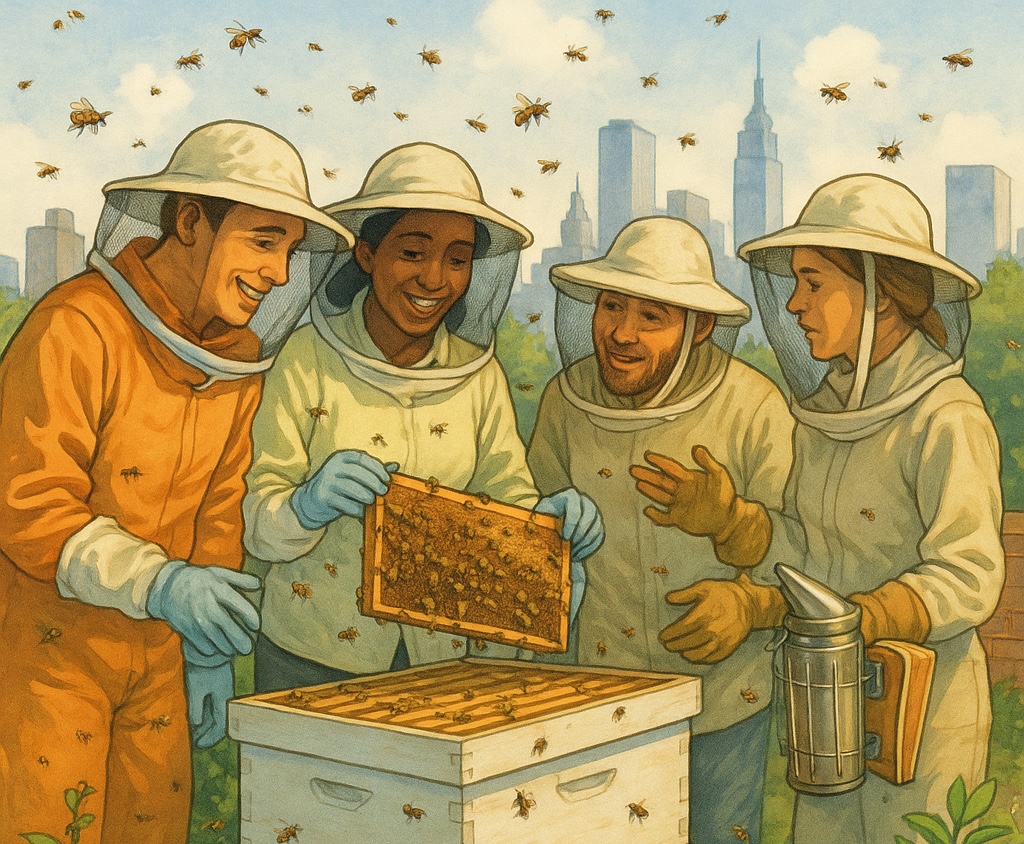
When installing your bees, choose a calm, sunny day. Be gentle and move slowly, giving the bees time to adjust to their new environment. Initially, inspect your hive about once a week to ensure the bees are adapting well and building comb appropriately.
Managing Your Time and Expectations
One common challenge new urban beekeepers face is balancing the excitement of inspecting their hives with the need to give the bees space. While weekly inspections are crucial at first, overly frequent inspections can stress the bees. After the initial 2-3 weeks, a bi-weekly inspection schedule is usually sufficient. Some beekeeping reference books recommend inspecting every 10-14 days.
Remember, your primary goal in inspections is to check for signs of a healthy hive, including brood patterns, food stores, and the queen’s presence.
Keeping Neighbors Happy
Urban beekeeping requires good community relations. It’s helpful, but not required, to inform your neighbors beforehand, addressing their concerns about safety and explaining how beneficial bees are for local gardens. Most people are surprisingly supportive once they understand bees’ gentle nature and ecological importance.
If any issues arise, such as bees congregating around a neighbor’s swimming pool or outdoor eating area, promptly provide a water source closer to your hive to redirect your bees’ attention.
Tackling Common Challenges
Dealing with Pests and Diseases
Varroa mites are the most significant threat to urban bees. Regular mite checks are crucial. In your first year, you’ll quickly learn that managing mites effectively is key to hive survival. Integrated Pest Management (IPM) methods, including screened bottom boards, drone brood removal, and organic treatments, will help keep mite populations under control.
Recognizing and Preventing Swarms
Bee swarms in densely populated areas like New York can alarm neighbors. Recognizing early signs of swarming—such as crowded hives or multiple queen cells—and taking preventive actions like splitting your hive or adding additional space, can greatly reduce the chance of your bees swarming.
New York Specific Insights
New York City has its unique considerations. Be mindful of city regulations, including hive placement and the requirement to use moveable frame hives kept in good condition. The NYC guidelines also emphasize immediate responsiveness in controlling swarms or nuisance conditions.
One advantage in New York is the vast diversity of urban gardens and rooftop greenery, offering bees an abundance of foraging options. Despite this, it’s helpful to plant pollinator-friendly plants around your home or garden, enriching the local habitat even further.
Learn more about city and state laws in our blog posts:
- NYC Beekeeping Laws and Regulations Explained
- New York State Beekeeping Laws and Regulations Explained
Joining the Urban Beekeeping Community
One of the best parts about becoming an urban beekeeper in New York is the community you’re joining. The New York Bee Club offers workshops, mentorship, regular meetings, and social events, all designed to support new beekeepers. Connecting with experienced beekeepers through the club can significantly ease your learning curve, providing hands-on advice for any challenges you encounter.
By becoming a member, you’ll have access to collective knowledge and resources, reducing common beginner mistakes and enhancing your first-year experience. Whether you need advice on hive management or help with troubleshooting specific problems, the club community is there to help.
Embrace the Learning Curve
Your first year as an urban beekeeper is filled with discoveries, small victories, and occasional setbacks. Remember, every experienced beekeeper was once a beginner. Be patient with yourself and your bees, celebrate your successes, and learn from any challenges.
Urban beekeeping is not only a fantastic way to contribute positively to your environment but also a deeply fulfilling hobby that connects you closely with nature, even in the heart of the city.
Ready to dive deeper? Explore more articles on our website, consider attending our next club event, or join the New York Bee Club today. Your bees, and your community, will thank you!